Why we believe in God
And why god will never be found

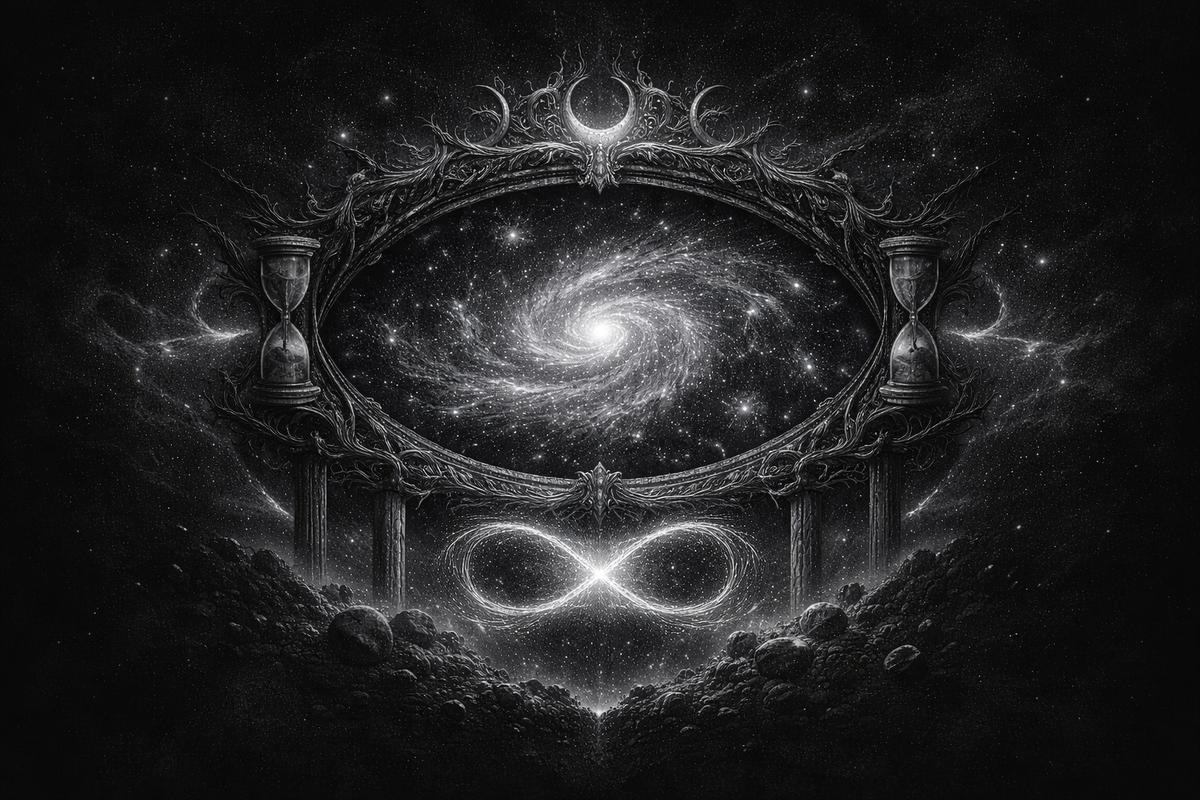
Throughout history, the idea of God and religion has been a big part of humanity. Its impact on us is immeasurable, but why do we believe in God? Or should I ask, "Why do we want to believe in God so badly?"
Humans are always looking for safety, love, and purpose. The lack of any of these can make us feel uneasy and lost.
Growing up, we held our parents responsible for giving us the safety and love we needed. They represented the source of our happiness and sadness; we depended on them for everything, but also fought with them when things didn't go our way.
We eventually realised that they are not all that powerful, they cannot give us everything that we want, and they cannot protect us from all the troubles of life. That is where God comes in as a new parental figure — in most cases, introduced to us by our own parents.
In psychological terms, God is often called a transference object, a term coined by Sigmund Freud. It is an object, living or not, real or imaginary, onto which a person redirects their emotions, desires, or expectations. We can have multiple transference objects throughout our lives. In childhood, it's our parents or primary caretakers; as we grow, it can be a teacher, a politician, a priest, or God.
When we look at God as a transference object, we notice that our relationship with Him mirrors the relationship we expect to have with our parents.
- "God will always protect me." -> protector
- "God will always love me." -> unconditional love
- "God is watching me and judging me." -> a guide
These statements represent our hunger for a parental figure in life.
We believe in God so that we have someone to ask for a better future, someone to guide us, and someone to blame for all our problems. Someone to whom we attribute our failures, while claiming our successes for ourselves, boosting our ego.
Framework for creating a God
The way we create our Gods and our beliefs about them says more about us than about the creation and workings of the universe.
There are many similarities among Gods in each culture and religion, but there are two most common ones…
- God looks like a human
- God is an all-powerful, all-loving, all-knowing immortal being.
God must look like a human
In many religions and cultures, the image of God has many similarities: He has two eyes, two hands, and can think and feel like humans.
Even when we create Gods representing mountains, water, or thunder, we give them human qualities and pray to them as divine beings.
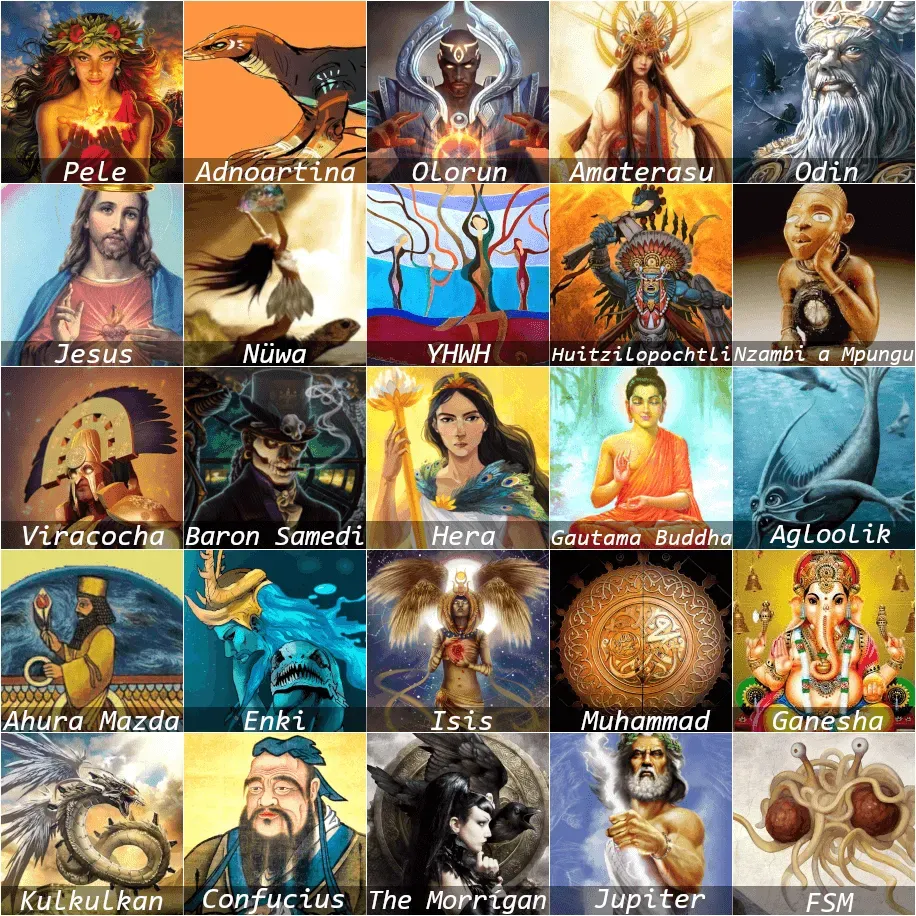
In some religions, even if God is not given a form, he will have a "child" in a human form, and will be the transference object for believers of that religion. Even if we consider animals as Gods, we don't usually pray to them to fix our lives; we ask for blessings and show respect. But the real parental figure? That has to have a human appearance.
Relatability requires projection. In every culture, each God has his own story, and for us to relate to God and his story, he has to be human.
God must be immortal
"God is human nature, but infinite" - Ludwig Feuerbach
God is the ultimate human being, possessing a human body with no limitations; it is a being that most of us want to be like.
If we are going to give someone the role of a father figure, we don't want them to be weak or succumb to death, but that is the problem with creatures on earth; no living being can be without limitations. By believing that we are blessed and cared for by a limitless being, we feel important and protected, the feelings that we crave.
God and religion have a way of giving a feeling of false superiority. We meet so many people who have an immense amount of faith in God and religion, and also seem very sure of themselves. They may be jobless and struggling financially, yet still believe that God has a plan for them.

The problem with atheists
Atheists have been debating for decades that God doesn't exist. They don't want to believe in anything that cannot be observed or felt, which means they don't have a source of hope outside reality. So what do they do when they cannot find a solution or an explanation in a truly hopeless situation?
“Please God, help me!” - an atheist, when all hope is lost. It does not mean they have started believing in God; it just shows our hunger for hope in moments of despair.
Religion and the belief in God's existence have a way of offering that hope.
"God works in mysterious ways" - a believer, when religion doesn't offer any explanation.
But does god exist or not?
Let's assume that God does exist. He decided one day to come down on Earth and live among us.
There are two ways this can play out.
First, all our theories about God turn out to be true; he looks like a human, has unlimited power, and is immortal. He will sit among us, talk to us, sleep among us, and listen to our problems. When he solves someone's problem, they will come up with new ones, and when he doesn't, they will blame him and hate him. All the mysticism around him will be gone; he will not be divine anymore. Many religious narratives suggest that when God walked among humans, He was scrutinised, rejected, or even killed.
"When the divine appears, we nail it to the cross."
The second possibility is that God is nothing like what we imagined; he is a terrifying creature without any limitations. Humanity will not be able to handle Him; it will not be able to relate to Him. His appearance will terrify us so much that we will declare him an alien and an enemy of the Humanity. We would wage war against him. Our feeling of smallness would grow — and so would our hunger for a saviour.
Either way, humanity is doomed.
Conclusion
I believe that the question of God's existence cannot be solved, neither by humans nor by any being that will ever exist anywhere. If the Big Bang created the universe, what existed before it? If God created us, then who created God? We can keep going in circles.
It doesn't mean that faith in God is useless, as we discussed above.
So, should we believe in God or not? I can not answer that for you. You have to choose your answer for yourself. It is a decision, not a rational conclusion — because we may never reach one.